

Home › Conditions We Treat › Personality Disorder Treatment
Personality Disorder Treatment
Personality Disorder Treatment in Arizona
Dialectical behavior therapy in a setting where the skills get practiced as difficulties arise, rather than recalled a week later in an office.
Now serving Wisconsin — a new Legacy residential facility is opening in Mukwonago.
Available 24/7 · Speak directly with our admissions team — not a call center.
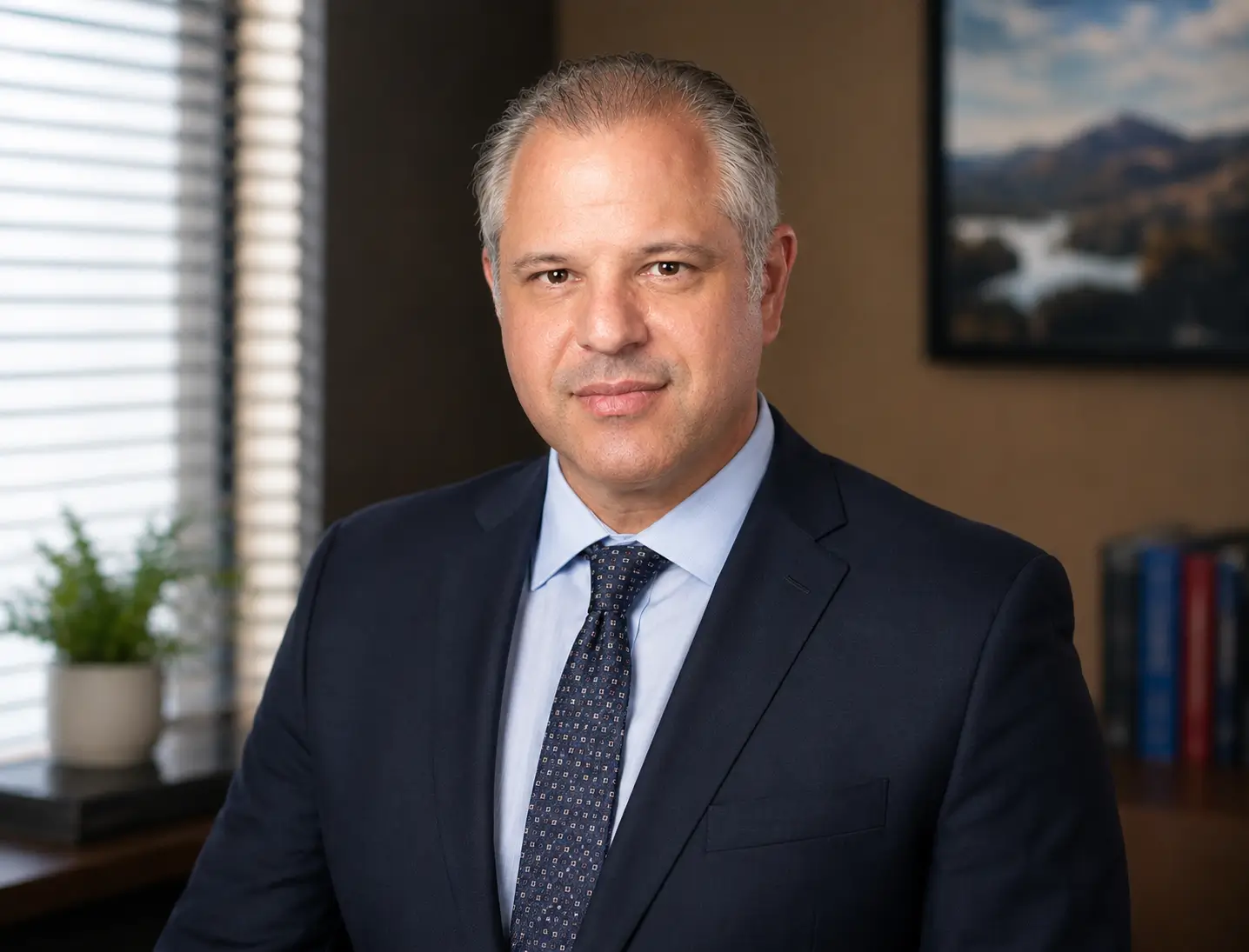
MEDICALLY REVIEWED BY
Dr. Roland Segal, MD (Co-Medical Director / Founding Member)
Dr. Roland Segal is a leading psychiatrist with extensive experience in clinical, administrative, and forensic psychiatry. Her personally oversees the clinical standards and quality of care at Legacy Recovery Center.
Last reviewed
July 30, 2026
- Physician-Owned & Led
- Joint Commission Accredited
- Chandler & Mesa, Arizona
The Facts of Personality Disorders
A treatable condition, not a fixed character.
Personality disorders involve enduring patterns of emotion, relating, and self-image that cause real distress. Borderline personality disorder is the most commonly treated, and it carries a reputation for being untreatable that the evidence does not support — dialectical behavior therapy in particular has changed that picture substantially. The label describes patterns that can shift, not a person who cannot change.
1.4%
U.S. adults with borderline personality disorder (NIMH)
DBT
Dialectical behavior therapy has the strongest evidence base for BPD
Changeable
Many people experience substantial change, including no longer meeting criteria
IS THIS TREATMENT RIGHT FOR YOU?
Patterns that keep repeating despite your best efforts.
People with personality disorders are often told they are difficult rather than unwell. If these patterns sound familiar in you or someone you love, it’s worth a confidential conversation, at no cost and with no obligation.

01
Emotions that arrive at full intensity
Feelings that escalate within seconds and take far longer than others’ to settle. The intensity is real, not exaggerated, and it responds well to skills-based treatment.
02
Relationships that swing between extremes
Intense closeness followed by rupture, a persistent fear of abandonment, and a pattern of pushing away the people you most want to keep.
03
An unstable sense of who you are
Shifting values, goals, and self-image depending on who you are with, and a sense of emptiness underneath that is difficult to describe to anyone.
04
Self-harm or crisis behavior
Urges toward self-harm, or impulsive behavior during emotional crises, are common and are directly addressed in treatment. If you are having thoughts of harming yourself, call or text 988 for the Suicide and Crisis Lifeline, or call 911 in an emergency. Admission depends on clinical fit and safety needs.
Some individuals may require medical detoxification or stabilization before beginning residential treatment. Our admissions team can help determine the appropriate level of care and coordinate with an outside provider when necessary.

Treating Personality Disorders
Skills that work, taught where you can practice them.
Treatment at Legacy Recovery Center for personality disorders is built primarily around dialectical behavior therapy, which has the strongest evidence base for borderline personality disorder in particular. DBT teaches four sets of skills — mindfulness, distress tolerance, emotion regulation, and interpersonal effectiveness — and the reason a residential setting suits this work is that the skills are practiced in real time, in a group living environment where the difficulties actually arise, rather than recalled a week later in an office. Individual therapy runs alongside, and trauma-focused work is frequently part of the picture, since many people with these diagnoses have significant trauma histories. Psychiatric evaluation clarifies what else is present — depression, bipolar disorder, and substance use are commonly diagnosed alongside or mistaken for a personality disorder. Family sessions help relationships that have taken damage.
- Psychiatric care from our physician owners, Dr. Roland Segal & Dr. Ehab Abdallah
- Individual and group therapy with licensed clinicians
- Treatment for co-occurring depression, anxiety, and trauma when present
- Nutritional guidance, physical exercise, yoga, and meditation
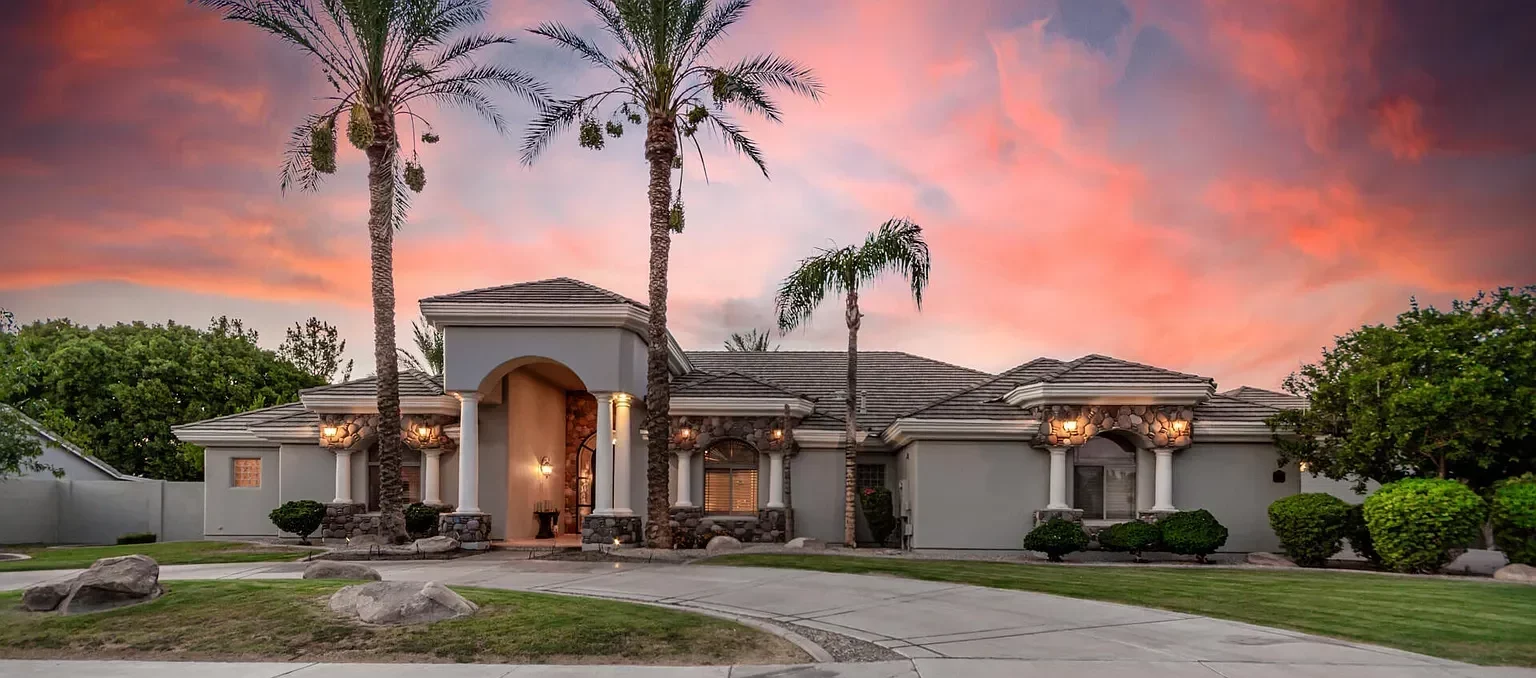
- A private residential home in Arizona
Individualized
Care plans are developed for each person
Residential
Structured support in a home-like residential setting
THERAPIES & TREATMENT MODALITIES
Therapies selected for your individual needs.
No single modality suits everyone, so treatment plans here draw on several. Which ones you work with depends on your history, your diagnosis, and what actually helps.
Core evidence-based
Cognitive behavioral therapy (CBT)
Identify and change the thought patterns and behaviors that keep symptoms going.
Emotion regulation
Dialectical behavior therapy (DBT)
Mindfulness, distress tolerance, and emotion regulation — skills for the hardest moments.
Trauma-focused
EMDR
Structured processing of traumatic memories that so often sit underneath addiction.
Mind-body integration
Somatic experiencing
Body-centered work addressing stress and trauma held in the nervous system.
Change-focused
Motivational interviewing
A collaborative approach that strengthens your own reasons and readiness to change.
Trauma resolution
Accelerated resolution therapy (ART)
Eye movements and visualization that may help reduce the distress attached to difficult memories.
Holistic integration
Parts-based interventions (IFS)
Working with the parts of you in conflict, toward internal steadiness.
Nervous-system regulation
Safe and Sound Protocol
An auditory intervention that may support nervous-system regulation alongside therapy.
Community healing
Group therapy
Process, psychoeducation, and skills groups — recovery alongside people who understand.
CONDITIONS WE TREAT
What we're equipped to treat — and what we're not.
Legacy treats adults in a residential setting across two levels of care — Primary Mental Health RTC and Substance Abuse RTC — including any combination of the conditions below. Honesty is part of care: if we’re not the right fit, we’ll tell you, and help you find who is.
We do not offer medical detox. When detox is needed, we refer you to a trusted partner first — then you transition to Legacy for residential treatment.
THE LEGACY DIFFERENCE
Doctors who answer to you — not investors.
Legacy is owned and led by the two psychiatrists who founded it. That changes how decisions get made, from your treatment plan to how long you stay.
01
Physician-owned and led
Founded and run by Dr. Roland Segal, MD and Dr. Ehab Abdallah, MD — board-certified psychiatrists involved in care every week.
02
Mental health treated first
Every stay starts with a psychiatric evaluation, so the conditions driving substance use are treated — not just the symptoms.
03
A home, not a hospital
Private residences in quiet neighborhoods — real bedrooms, shared meals, and space to breathe.
04
Personalized treatment plans
Your plan is built around your history and goals, and adjusted weekly as you progress.
05
In-network insurance
In-network with Cigna and Aetna, with benefits usually verified the same day you call.
06
24/7 admissions
You’ll reach our admissions team directly — any hour, any day. For a medical emergency, call 911 or go to the nearest emergency department.
The First Step Is to Seek Help
You don't have to do this alone.
A personality disorder diagnosis is often delivered as a verdict. It is more usefully understood as a description of patterns that treatment can change, and many people go on to no longer meet criteria at all.
Care in a residential setting is designed to support recovery. You’ll work with licensed clinicians and receive psychiatric care from our owners, Dr. Roland Segal and Dr. Ehab Abdallah. You’ll step away from the environment tied to your drinking, and be surrounded by others facing the same challenge.
How Admissions Works
One call starts everything.
Simple, confidential, and often fast. Here’s what happens after you reach out.
01
Call or verify insurance
Reach our admissions team directly, any time. One honest, no-pressure conversation.
02
Confidential clinical assessment
A licensed clinician listens, answers questions, and helps determine whether residential treatment is the appropriate next step.
03
Admission, often within 24–48 hours
We coordinate everything — travel, intake, and a warm welcome to the residence.
In Their Words
What families and clients say.
Insurance & Financing
Insurance and financing
Legacy works with most major insurance plans and is in-network with Cigna and Aetna. Coverage still varies by plan, medical necessity, authorization requirements, and network status, so our admissions team verifies benefits and explains your options before admission.
Please note: we cannot accept Medicare or Medicaid . Everything you share stays confidential.



Verify Your Insurance
Confidential · No obligation · Or call (480) 790-6670
Explore Related Care
Care that meets you where you are.
Personality disorders rarely stand alone. Explore the connected programs and conditions we treat across Legacy Recovery.
Personality disorder treatment
Residential care built around dialectical behavior therapy.
Trauma & PTSD care
Trauma-focused work, frequently part of the picture.
Depression treatment
For the low mood commonly present alongside.
Bipolar disorder treatment
Distinguishing mood instability from a bipolar picture.
Dual diagnosis treatment
Substance use treated alongside, not in sequence.
Family therapy
Repair work for relationships that have taken damage.
Take the first step
You don't have to know all the answers right now.
Our admissions team will help you understand your options, verify your insurance, and answer every question — without pressure and without judgment. The call is confidential, and so is every step that follows.
When you call, you can expect
A clinician, not a call center
Our admissions specialists are licensed clinical professionals, not sales staff.
Insurance verified on the first call
We work with most major carriers and can clarify your coverage during the conversation.
Honest answers to every question
About our program, treatment approach, costs, and whether we're truly the right fit for you.
Absolute privacy every time
All contact and records are fully HIPAA compliant. Your privacy is protected at every stage.
FAQ
Frequently asked questions about personality disorder treatment
Have questions about treatment, insurance, or what to expect? We’ve answered the most common ones here. If you don’t see yours, our team is always available.
Yes. Dialectical behavior therapy in particular has a strong evidence base, and many people experience substantial change — including no longer meeting diagnostic criteria. The idea that BPD is untreatable is out of date.
Dialectical behavior therapy teaches four skill sets: mindfulness, distress tolerance, emotion regulation, and interpersonal effectiveness. In a residential setting the skills are practiced as situations arise rather than recalled a week later.
It’s worth checking. Bipolar disorder, complex trauma, ADHD, and substance use can all resemble a personality disorder, and psychiatric evaluation at admission looks at the whole picture.
Yes — distress tolerance and emotion regulation skills address them directly. If you are in immediate danger, call or text 988, or call 911.
Most adults stay between 30 and 90 days, with 24-hour structured residential support throughout. Skills-based work often benefits from the longer end.
Legacy works with most major insurance plans and is in-network with Cigna and Aetna. Coverage varies by plan, medical necessity, authorization, and network status, so we verify benefits before admission. We cannot accept Medicare or Medicaid .